
What’s New
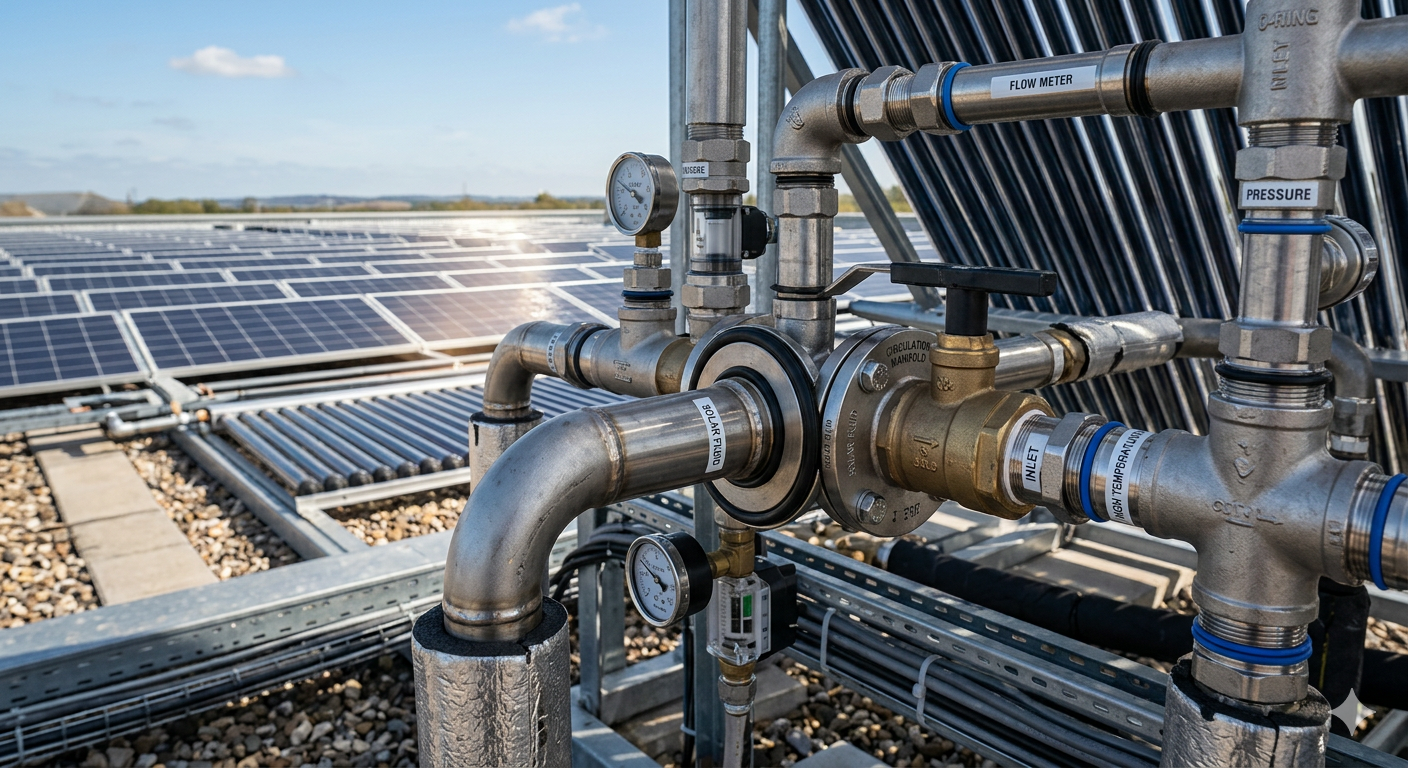
The Critical Role of O-Rings in Solar Energy Systems
The Critical Role of O-Rings in Solar Energy Systems
As the solar energy industry continues to grow, long-term reliability and environmental protection remain essential. While solar panels and inverters often receive the most attention, small yet critical components—like O-rings—play a vital role in ensuring system performance and durability.
Why O-Rings Matter in Solar Applications
Solar energy systems are constantly exposed to harsh environmental conditions, including:
- Intense UV radiation
- Ozone exposure
- Extreme temperature fluctuations
- Moisture, rain, and condensation
- Dust and airborne contaminants
To achieve a 20–30 year operational lifespan, these systems require reliable sealing solutions that protect sensitive electronics and internal components. O-rings provide essential environmental sealing that prevents moisture ingress, maintains enclosure integrity, and supports electrical safety.
Without proper sealing, even minor environmental exposure can lead to corrosion, electrical failure, and costly downtime.
Common Uses of O-Rings in Solar Systems
O-rings are widely used throughout solar assemblies in both static and dynamic sealing applications. Typical uses include:
- Inverter enclosures
- Cable gland interfaces
- Junction boxes
- Battery energy storage systems
- Cooling system fittings and connectors
- Electrical connector seals
Their primary function is to maintain IP-rated protection levels (IP65, IP67, IP68), preventing water and dust from entering critical components.
Types of O-Rings Used in Solar Applications
Different solar applications require different O-ring configurations:
Standard O-Rings
The most commonly used solution for static sealing applications. Cost-effective and reliable when properly designed.
Quad-Rings (X-Rings)
Featuring a four-lobed design, quad-rings reduce friction and provide improved sealing stability in dynamic applications.
Encapsulated O-Rings
Designed with a chemical-resistant outer jacket, these are ideal for battery systems or coolant-exposed environments.
Custom Molded O-Rings
Engineered for unique geometries and specialized inverter or storage systems where standard sizes are not sufficient.
Ideal O-Ring Materials for Solar Energy Systems
Material selection is critical for long-term performance.
EPDM
Often the preferred material for outdoor solar applications due to its exceptional UV, ozone, and weather resistance.
Silicone (VMQ)
Provides excellent flexibility and performs well across a wide temperature range, making it suitable for extreme climate conditions.
FKM (Fluorocarbon)
Offers superior chemical resistance and high-temperature stability, ideal for battery storage systems and coolant exposure.
HNBR
Delivers strong mechanical properties and enhanced heat resistance for more demanding or dynamic applications.
Selecting the appropriate compound directly impacts compression set resistance, thermal cycling durability, and overall system longevity.
Supporting Long-Term Solar Performance
O-rings may be small components, but their impact on solar energy systems is significant. Properly engineered and material-matched O-rings ensure:
- Environmental protection
- Electrical reliability
- Reduced maintenance costs
- Extended system lifespan
- Consistent operational efficiency
As solar infrastructure continues to expand worldwide, high-performance O-ring solutions remain fundamental to delivering dependable, long-term renewable energy systems.
Need Help?
Bay Seal Company is committed to provide the highest quality
sealing and gasket solutions.